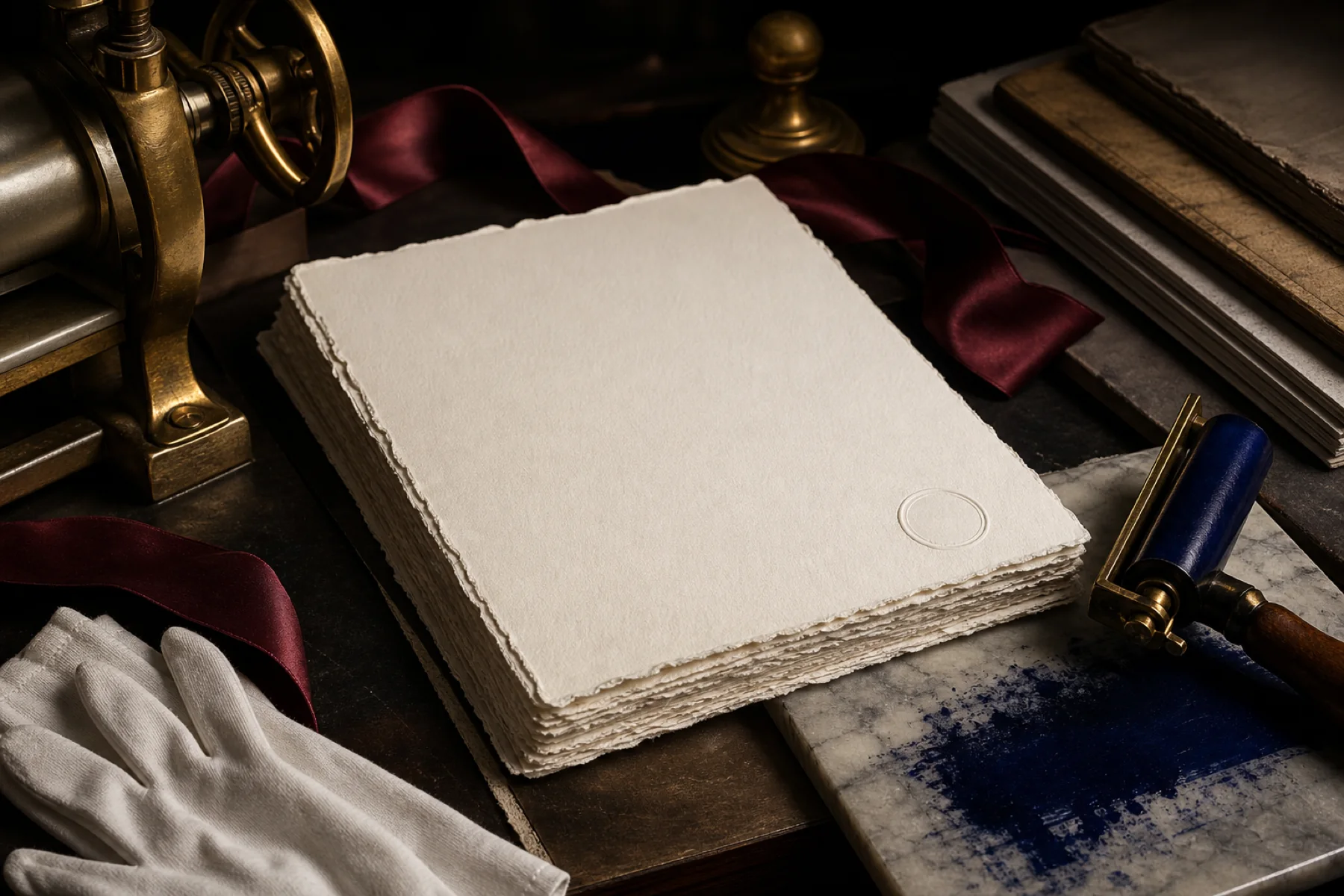
A limited edition print can make an artist's image accessible while preserving a defined sense of scarcity. But “limited” is only useful when the limit is stated, the production method is clear and each impression can be connected to the artist or authorised publisher.
Collectors do not need to become printmaking specialists before buying. They do need to distinguish the image from the object. Paper, ink, size, signature, edition structure and condition all belong to the print you will actually live with.
What makes a print a limited edition?
A limited edition is a declared group of impressions produced from the same image or printing process. Once the stated edition is complete, no more impressions should be issued as part of that edition. The artist or publisher may also create a separately identified group of proofs; those should be disclosed rather than quietly added later.
The limit does not make every edition rare in the same way. An edition of 20 and an edition of 500 are both limited, but supply is very different. Size alone does not determine artistic quality or future value. The reputation of the artist, significance of the image, production quality, condition, documentation and actual collector demand all matter.
How to read a number such as 7/50
The first number identifies that impression; the second is the number in the standard edition. Thus 7/50 means impression seven from a declared edition of fifty. The fraction is traditionally written near the lower edge, often in pencil, with the artist's signature and sometimes the title.
Do not assume 1/50 was physically printed first or is better than 49/50. Editions may be numbered after the printing is complete, and a professionally produced edition should aim for consistency. A lower number can attract personal preference, but it is not automatic evidence of superior quality or higher value.
Ask whether the denominator describes only the numbered edition or whether additional artist's proofs, printer's proofs or other impressions exist. The clearest edition records account for the whole planned structure.
Artist's proofs and other letters
An artist's proof is usually marked A/P or AP. Historically, proofs helped the artist and printer assess the image before or alongside the edition; a small number was also reserved for the artist. A printer's proof may be marked P/P or PP. B.A.T., from the French bon à tirer, means “good to print” and identifies the approved standard used to guide production.
A proof is not a secret original painting, and the letters do not guarantee greater importance. Some buyers prize proofs because they are fewer or connected to the making process, but value depends on the particular edition and market. Ask how many proofs were made, whether they match the numbered impressions and whether they are signed.
Scarcity has meaning only when the edition is transparent.
What a signature tells you — and what it does not
A hand signature shows that the artist has personally acknowledged the impression. It is a meaningful part of a contemporary edition, especially when the print was purchased directly from the artist. A signature within the reproduced image is different from a hand-written signature on the physical print.
Even a genuine signature does not explain the entire object. You still need the artist's name, title, image and paper dimensions, year, medium, edition size, publisher or printer if relevant, and condition. A useful invoice and certificate of authenticity should agree with the markings on the print.
Know what kind of print you are buying
“Fine art print” describes a category, not one technique. An etching, lithograph, screenprint or woodcut is created through a matrix and may be conceived by the artist specifically as a print. An archival pigment print, sometimes called a giclée, uses an inkjet process and may reproduce a painting, photograph or digitally created image. Both can be carefully made and collectible, but they are not the same object.
Ask for the exact process instead of relying on “museum quality,” which has no single universal specification. For an archival pigment print, useful details include the paper manufacturer or type, whether the paper is cotton rag, the ink system, the image and sheet sizes and whether the surface has been hand-finished. For traditional printmaking, ask who printed the edition and from what matrix.
If you are deciding between uniqueness and accessibility, the guide to original art versus prints compares the two without treating one as a lesser version of the other.
Does limited edition mean it will increase in value?
No edition can promise appreciation. A fixed supply is only one condition in a market that also depends on sustained demand, provenance, artist history and condition. Buy because the image matters to you and the price is appropriate for the object described, not because a seller predicts an inevitable return.
Be cautious when urgency is created only by phrases such as “almost sold out.” A professional seller should be willing to state the edition size, remaining availability and price without inventing investment claims. If editions rise in price as they sell, that policy should be clear; it still says nothing certain about resale value.
Condition, framing and care
Paper remembers poor storage. Before buying, look for creases, foxing, staining, fading, surface abrasion and rippling. Ask whether the print has been hinged with reversible conservation materials and whether it has touched ordinary glass. A mat or spacer should keep the image surface from pressing directly against glazing.
Display works on paper away from direct sunlight and use conservation-quality framing appropriate to the medium. Keep the certificate and invoice separately from the frame so they are not lost or transferred onto the artwork. For longer-term protection, follow the guide to art care at home.
Questions to ask before buying
- What is the exact printing method, paper, ink and finished size?
- How large is the numbered edition, and how many proofs exist?
- Is this impression hand-signed, numbered and dated by the artist?
- Who produced and authorised the edition?
- Has the image been released in another size, material or edition?
- What is the condition, and is framing included?
- Will an itemised invoice and certificate accompany the print?
The MARIEZAL print collection consists of selected images produced as small archival-pigment editions on cotton rag paper, personally inspected, signed and numbered by Maryia, with a certificate of authenticity. To confirm the edition size, available number, exact dimensions, framing or delivery for a particular work, ask the studio directly. For a one-of-one physical work, explore available originals.